
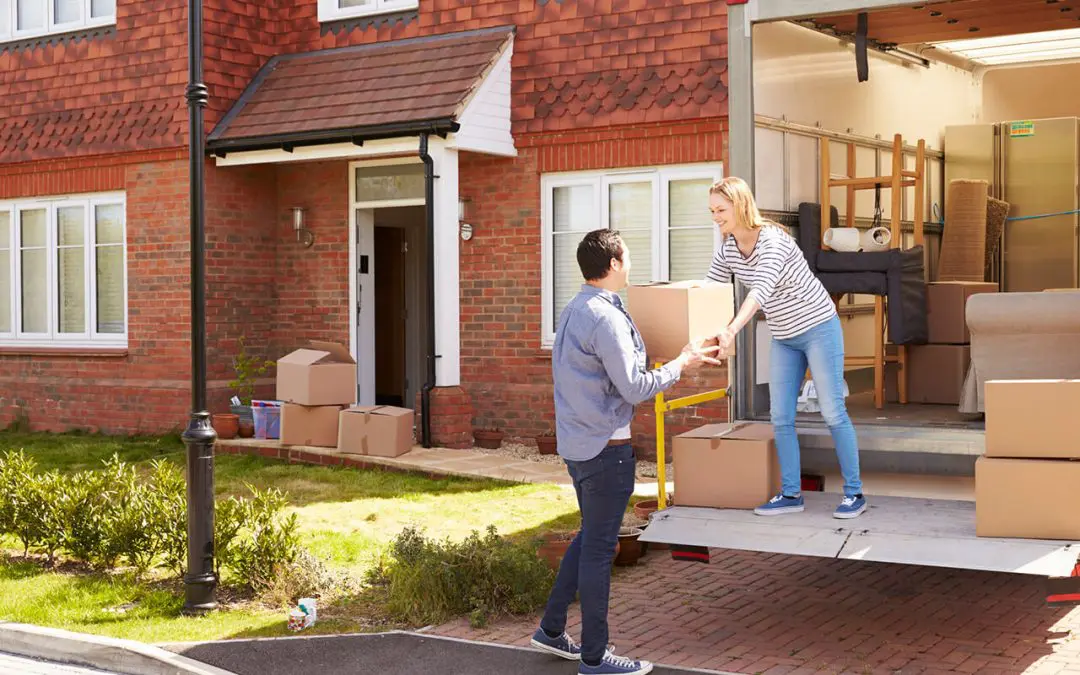
The right packing tips could mean the difference between a move that feels manageable and one that feels like a crisis in slow motion. Most people underestimate how much the quality of their packing affects everything downstream: how long the move takes, how much gets damaged, how quickly the new home can be set up, and how exhausted everyone is by the end. The tips that experienced movers swear by aren’t complicated, but they do require a different approach than just pulling boxes from the liquor store and starting to fill them. A little system goes a very long way.
The Packing Tips That Experienced Movers Use Every Time
The foundation of effective packing is starting earlier than feels necessary and working in a defined sequence. Most people start too late, which means the final days become a chaotic sprint producing poorly packed boxes and forgotten tasks. Starting four to six weeks before the move and working room by room produces a calmer, more organized result. The single most impactful packing tip is to label every box on multiple sides with both the destination room and a brief description of contents. A box labeled only “kitchen” is far less useful than one labeled “kitchen — spices, oils, cooking utensils.” When boxes are stacked, only the sides are visible; labels on the top become invisible until the box is moved. Marking two or three sides ensures the label can be read regardless of orientation.
Pack heavy items in small boxes and light items in large boxes. Dense, heavy items, such as books, tools, and canned goods, fill small boxes that remain liftable. Light, bulky items, linens, pillows, lampshades, can fill large boxes that remain manageable.
Protecting Fragile and Valuable Items
Fragile items require more than a few sheets of packing paper and a prayer. Plates pack best vertically, like records in a crate, rather than stacked flat. Stacked plates transfer impact from top to bottom; vertically positioned plates distribute force along their edges, which are significantly more impact-resistant. Each plate should be wrapped individually before standing in the box, with crumpled paper filling any gaps. Glasses and stemware are most vulnerable at their stems and rims. Stuff the interior of each glass with crumpled paper before wrapping the exterior, and pack glasses upside down so the rim isn’t bearing any load. Line the bottom of glassware boxes with several inches of crumpled paper and fill all air gaps. Electronics should be packed in their original boxes when possible. When original boxes aren’t available, wrap in anti-static bubble wrap and pack in a snug box with adequate cushioning on all six sides. Label electronics boxes clearly with “fragile” and “this side up” on multiple faces.
Room-by-Room Packing Tips for Maximum Efficiency
Packing at a room level produces the most organized unpack at the destination. The kitchen is the most labor-intensive room to pack because of the volume and variety of items, the fragility of many of them, and the priority of having it functional quickly at the new home. Pack the kitchen last among the rooms, and pack an “open first” box with the specific items needed for the first day so the essentials are accessible without unpacking everything. Clothing can often be moved without removing it from drawers at all; drawers from dressers can sometimes be moved intact with clothing inside, reducing packing time significantly. Hanging clothing moves efficiently in wardrobe boxes that allow garments to hang rather than being folded, compressed, and wrinkled into standard cartons.
Frequently Asked Questions (FAQs)
How many boxes do I need and how do I estimate the right amount?
A general rule is ten to fifteen medium boxes per room for a fully furnished home, though this varies with how much has been culled before packing. Most moving companies offer box calculators on their websites. It’s better to have too many than too few.
What supplies do I need beyond boxes to follow good packing tips?
Essential packing supplies are: packing tape and a quality dispenser, packing paper or newsprint, bubble wrap for fragile items, permanent markers for labeling, box cutters for unpacking, stretch wrap for furniture, wardrobe boxes for hanging clothing, and small bags for hardware removed during disassembly.
How do I pack efficiently when I’m short on time?
Prioritize the packing tips that produce the most protection for the least time: label everything even if descriptions are brief, don’t mix rooms in the same box, wrap fragile items at minimum before placing them, and keep a clear path to essential items needed up to the last day. For a very compressed timeline, professional packing services offered by most full-service movers can pack an entire home in a day and are worth considering.
Should I use professional moving boxes or is it okay to use free boxes?
Free boxes from grocery or liquor stores are structurally sound for lighter items but may have weakened corners from prior use. Professional boxes have heavier double-wall construction for dense and fragile items. A practical approach: use professional boxes for books, dishes, and electronics, and free boxes for lighter items like linens and clothing where structural integrity is less critical.
What should I pack last and keep accessible until moving day?
Pack an essentials bag that travels with you rather than on the truck, including medications, phone chargers, important documents, keys, a change of clothing, basic toiletries, and snacks. Leave until last: bedding for the final night, cleaning supplies, tools for disassembling furniture, and the coffee maker. These items are packed last, unloaded first, or travel in the personal vehicle to ensure immediate access on arrival.
Legacy Property Inspections offers comprehensive home inspections in Southeast Georgia. Contact us to request an appointment for our services.