
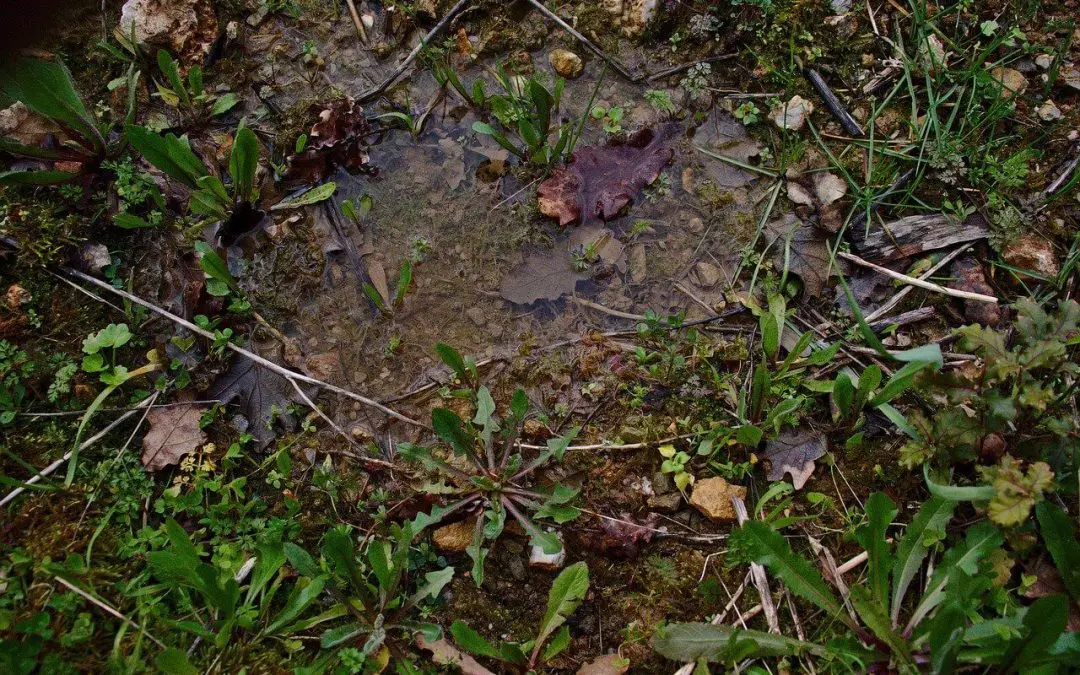
Water doesn’t care about your landscaping investment, your finished basement, or your foundation. It follows gravity, seeks the lowest point, and accumulates wherever drainage isn’t adequate to move it along. The homeowners who successfully improve drainage on their property accurately identify where the water is coming from, understand why it’s pooling where it does, and select solutions that address those specific conditions. Getting the diagnosis right is what makes the difference between a drainage improvement that solves the problem and one that simply moves it somewhere new.
How to Accurately Diagnose Drainage Problems
Jumping to solutions before understanding the problem is the most common and most expensive drainage mistake homeowners make. Effective drainage improvement starts with watching what happens during a rain event, where water enters the property, how it flows, where it pools, and how long it takes to drain. Walk your property during or immediately after a significant rain and observe without assumptions. The area that pools may not be where the water originates, it may be the low point receiving water from multiple contributing sources. Identifying those sources, rather than just addressing the pool, is what produces lasting improvement.
Soil type significantly affects drainage behavior. Clay-heavy soils drain slowly and hold water at the surface long after rain stops. Sandy soils drain readily but can allow water to move toward the foundation through the soil. Understanding your soil type before selecting drainage solutions affects which interventions will actually be effective.
Surface Solutions That Improve Drainage Quickly
Surface drainage corrections are the logical starting point; they’re the most visible, often least expensive, and frequently most impactful. The ground around your foundation should slope away at roughly six inches of drop across the first ten feet, naturally directing surface runoff away from the structure. In areas where water collects on flat ground, a simple surface swale can redirect sheet flow toward a suitable discharge point with minimal excavation. Even a few inches of relief, properly graded, could move significant volumes of surface water.
Downspout extensions address one of the most commonly overlooked contributors to poor drainage near the home. A gutter system terminating within three feet of the foundation concentrates roof drainage directly at the base of the wall. Extending downspouts underground and discharging them well away from the structure is one of the single most impactful improvements available to improve drainage near the foundation.
Underground Systems to Improve Drainage in Persistent Problem Areas
When surface solutions aren’t sufficient, underground drainage systems provide the necessary capacity. A French drain intercepts groundwater moving through the soil and redirects it to a discharge point before it reaches the foundation or surfaces as standing water. The system’s effectiveness depends entirely on correct placement. It needs to intercept water before it reaches the problem area, not at the problem area itself. Installation at the wrong location simply moves the point of saturation.
Catch basins installed at low points collect surface water and direct it underground, eliminating pooling where grading corrections aren’t practical. The discharge point for any underground system is as important as the system itself. Water redirected by a French drain or catch basin needs a legitimate outlet, such as a storm drain, a natural drainage area, or a dry well with adequate soil permeability. A system without a proper outlet creates a new pooling problem elsewhere on the property.
Frequently Asked Questions (FAQs)
How do I tell the difference between a drainage problem I can fix myself and one that needs a professional?
Surface corrections are generally within DIY reach. Underground systems involving significant excavation or French drains in challenging soil conditions benefit from professional design and installation to ensure correct placement. Any drainage problem contributing to foundation moisture or basement water intrusion warrants professional assessment before any corrective work begins.
How much standing water is too much after a heavy rain?
Some temporary pooling after a significant rain is normal. The concern threshold is water remaining for more than 24 to 48 hours after rain stops, particularly within ten feet of the foundation or in areas used for outdoor activities. Persistent standing water that doesn’t drain within two days indicates a condition that warrants attention.
Can I improve drainage without major excavation?
Yes, many effective improvements require minimal excavation. Regrading with added fill dirt, extending downspouts underground, and installing surface swales are all relatively non-invasive.
Will improving drainage affect my property’s water table?
Residential drainage improvements redirect surface and near-surface water but have no meaningful effect on the water table, which is influenced by regional hydrogeology rather than individual property drainage. High water table conditions are distinct from poor drainage and require waterproofing and sump pump systems rather than surface corrections.
How do I know if my drainage improvement is working?
Observe the property through at least one complete wet season after any improvement before concluding it was effective. Rain events vary significantly in intensity and duration, and a single storm doesn’t provide adequate evidence. Document conditions before work begins, including photos of pooling areas and the timing of how long water stands, so you have a baseline to compare against after the improvement.
Legacy Property Inspections offers comprehensive home inspections in Southeast Georgia. Contact us to request an appointment for our services.