
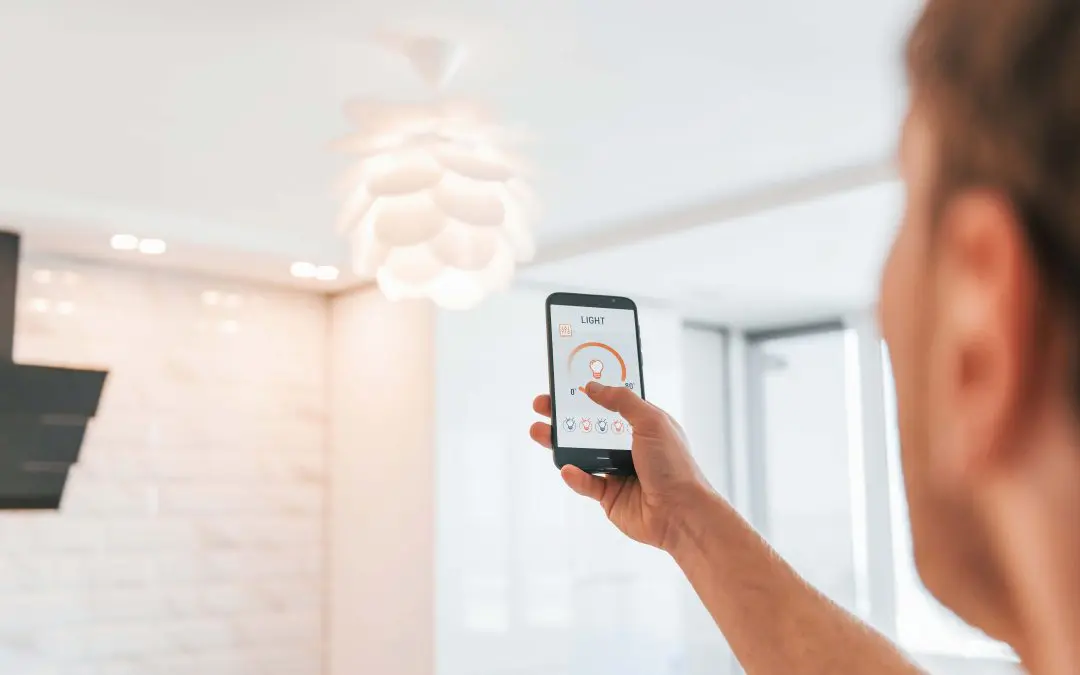
The way your home is lit affects how spaces feel, how functional they are, and how welcoming they appear to guests. Yet interior lighting is one of the most overlooked aspects of home design, with most homeowners sticking to the builder-grade fixtures and a single overhead bulb they moved in with. The truth is that improving your interior lighting doesn’t require a full renovation or a big budget. A thoughtful approach to how light works in each room can transform the way your home looks and feels from morning to night.
Why Interior Lighting Deserves More Attention Than It Gets
A poorly lit room feels small, flat, and uninviting. A well-lit one feels open, warm, and purposeful. Interior lighting shapes the mood and functionality of every space, and getting it right is less about spending more money and more about making smarter choices. Most homes rely too heavily on a single overhead source in each room, which creates harsh shadows and a flat, institutional feel. The solution isn’t necessarily more light; it’s better-distributed light at the right heights, temperatures, and intensities for how each space is actually used.
Layer Your Interior Lighting for a Richer, More Functional Space
The most effective interior lighting designs use three distinct layers: ambient, task, and accent. Ambient lighting is your base layer, the general illumination that fills the room from ceiling fixtures or recessed lighting. Task lighting targets specific areas where focused light is needed, like a desk, kitchen counter, or reading chair. Accent lighting adds depth and visual interest by highlighting artwork, architectural features, or decorative elements. When all three layers are present, the space feels intentional and balanced rather than flat and functional. Start by identifying which layers are missing in each room and work from there.
Choose the Right Bulb for Your Interior Lighting
One of the biggest improvements most homeowners can make to their interior lighting costs almost nothing: switching to bulbs with the right color temperature for each room. Color temperature is measured in Kelvins and determines whether light feels warm and cozy or cool and energizing. Warm white bulbs are ideal for living rooms, bedrooms, and dining areas. Cool white or daylight bulbs work better in kitchens, home offices, and bathrooms where clarity matters more than ambiance. Choosing appropriately for the function of each space makes an immediately noticeable difference to how your interior lighting looks and feels.
Use Dimmer Switches to Transform Any Room
If there’s one upgrade that delivers outsized impact for its cost, it’s installing dimmer switches. Dimmers give you complete control over the mood and intensity of your interior lighting at any time of day. A dining room that needs bright, even light for afternoon homework can shift to warm, low light for a dinner party, without changing a single bulb. Most modern LED bulbs are dimmer-compatible, though it’s worth checking before purchasing. Dimmer switches are inexpensive, straightforward to install, and the difference they make to the versatility and atmosphere of a room is hard to overstate.
Maximize Natural Light Before Adding Artificial Sources
Before investing in new fixtures, take stock of the natural light available in each room and how well you’re using it. Heavy curtains, furniture blocking windows, and dark wall colors all reduce daylight reaching into a space, and natural light is the best interior lighting source available. Swap heavy drapes for lighter, sheer treatments that let light through while maintaining privacy. Position mirrors across from windows to reflect and amplify natural light. In darker rooms, lighter wall and ceiling colors bounce light further and make artificial lighting go further when natural light fades in the evening.
Frequently Asked Questions (FAQs)
What is the most common interior lighting mistake homeowners make?
Relying on a single overhead fixture as the sole light source in a room is the most widespread issue. It creates flat, unflattering light and deep shadows. Adding task and accent layers alongside your ambient source makes an immediate and dramatic improvement to how any room looks and functions.
How do I choose the right light fixtures for my home?
Start with the function and mood of the room, then consider scale. A fixture too small for a space provides inadequate light; one too large overwhelms the room. As a general rule, the diameter of a chandelier or pendant in inches should roughly equal the room’s length and width in feet added together. Choose finishes that complement your existing hardware for a cohesive look.
Are LED bulbs worth switching to for interior lighting?
Absolutely. LED bulbs use up to 75 percent less energy than incandescent bulbs, last significantly longer, produce minimal heat, and are available in a full range of color temperatures. The upfront cost is slightly higher, but it pays for itself quickly through lower energy bills and far less frequent replacement.
How can I improve the lighting in a room with no overhead fixture?
Floor lamps, table lamps, and plug-in wall sconces are all effective ways to add layered interior lighting without any electrical work. Strategically placed floor lamps in corners bounce light upward and outward, brightening the whole room. Plug-in pendant lights are another versatile option that creates a polished look without a hardwired installation.
What’s the best way to light a small room to make it feel larger?
Use multiple lower-level light sources rather than a single overhead fixture. Uplighting creates a sense of height and airiness. Light wall colors, mirrors, and consistent warm-toned interior lighting throughout also contribute significantly to making small spaces feel more open and expansive.
Legacy Property Inspections offers comprehensive home inspections in Southeast Georgia. Contact us to request an appointment for our services.