
On the Georgia coast, storm shutters are one of the most practical ways to protect a home from wind, flying debris, and the damage that follows when windows break. Hurricane season is winding down, but the months after it are the best time to shop, install, and test your protection before anyone is rushing to prepare for a storm. Whether you’re replacing old shutters or choosing your first set, understanding the options helps you spend wisely. Here’s how to choose, install, and maintain storm shutters so they’re ready when you need them.
Compare Storm Shutters by Type, Cost, and Convenience
Accordion shutters are permanent and fold along tracks beside the window, so they close quickly and need no storage. Roll-down shutters, often motorized, are the most convenient and also the most expensive. Colonial and Bahama shutters are hinged and add curb appeal, and some are rated for impact. Removable panels made of corrugated steel or aluminum cost less, but you need space to store them and time to install them, and clear polycarbonate panels let light through. Fabric systems are lightweight and rated by some manufacturers. Plywood is an emergency measure, not a long-term solution. Think about who will install them, where they’ll be stored, and whether you can reach upper-floor windows. Compare the total cost, including installation and storage, rather than only the price of the product, and think about how they will look from the street, since some neighborhoods have rules about style and color.
Look for Ratings and Local Code Requirements
Not all shutters are built to the same standard. Look for products tested and approved for wind-borne debris impact, such as those with a state or county approval, and ask for documentation. Check with your local building department about requirements for your area, since permanent installations may need permits. Use a licensed contractor who knows how to anchor shutters properly into framing, not just siding or trim, because the attachment is what holds in high winds. Properly rated storm shutters may also earn insurance discounts, so ask your insurer what documentation they need and how much credit they give. Ask for the product’s test certificate, and keep a copy with your records, and be cautious of products without clear test documentation.
Practice Installing Your Storm Shutters Before a Storm
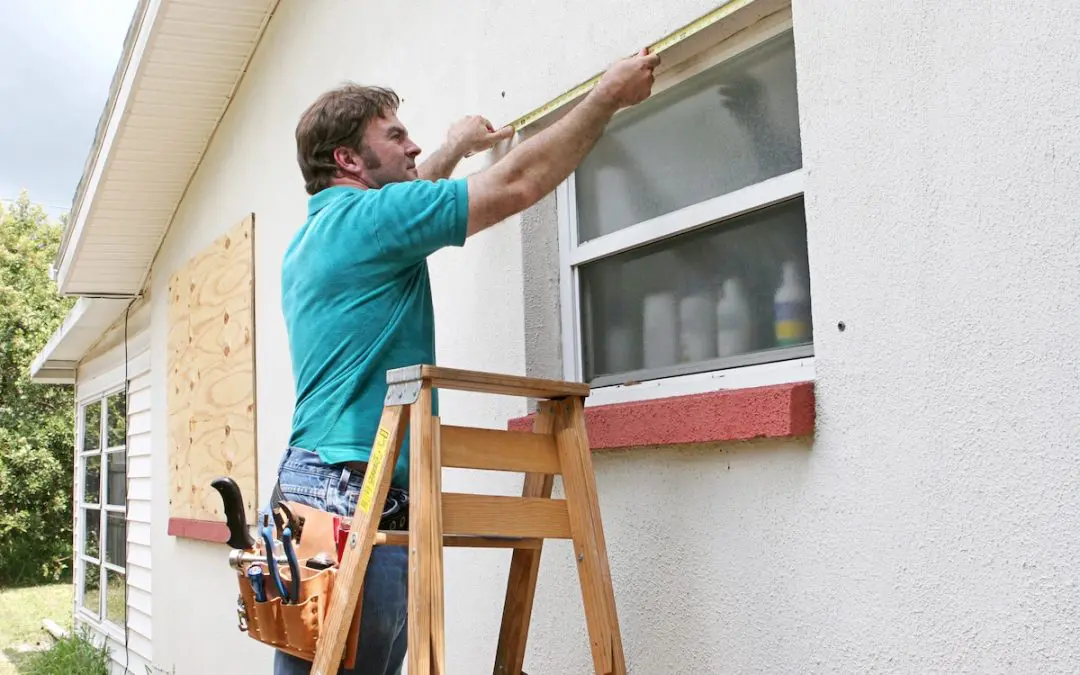
Installation is much harder when a storm is approaching, so practice during the off-season. Measure your windows, and label each panel with the window it fits. Check the tracks, bolts, wing nuts, and anchors, and keep hardware in a labeled bag stored with the panels. Time yourself, so you know how long it will take and how many people you need. Lubricate tracks and moving parts, and replace anything rusty or bent. If you can’t lift panels to upper windows safely, consider a different system or hire help. A practice run is the best way to find missing parts before they matter. Keep a written checklist near the panels so anyone in the household can help, and replace missing hardware well before the next storm. Label bags by window and stack panels in the order you’ll use them.
Maintain Shutters Between Storms
Storm shutters live in a salt-air environment, which is tough on metal. Rinse them with fresh water a few times a year to remove salt and dirt, and inspect for corrosion, bent panels, and damaged tracks. Lubricate hinges, accordion tracks, and roll-down mechanisms, and keep tracks clear of debris, nests, and paint. For motorized systems, test the motor and the manual override, and replace batteries in remotes. Touch up damaged finishes to prevent rust, and replace any damaged parts. Keep a log of maintenance and a copy of the product documentation, which helps with insurance and with future repairs. Check the seals and weatherstripping around the windows behind them, too, since moisture can still find its way in.
Frequently Asked Questions (FAQs)
Are storm shutters better than impact windows?
They serve similar goals. Impact windows are always in place and need no preparation, while shutters usually cost less and add an extra layer of protection.
Is plywood good enough?
It’s an emergency measure. It must be properly cut and anchored, and it is less reliable than shutters that have been tested and rated for wind-borne debris.
Do storm shutters lower insurance costs?
Often they can. Ask your insurer which products qualify and what documentation is needed, since discounts depend on the rating and installation.
How long do they last?
Quality aluminum or steel systems can last twenty years or more with regular maintenance, though hardware, tracks, and finishes may need attention sooner.
When should I put them up?
When a hurricane watch or warning is issued, follow local officials’ guidance. Leave plenty of time, since conditions can change quickly.
Legacy Property Inspections offers home inspection services in Southeast Georgia. Contact us to request an appointment for our services.