
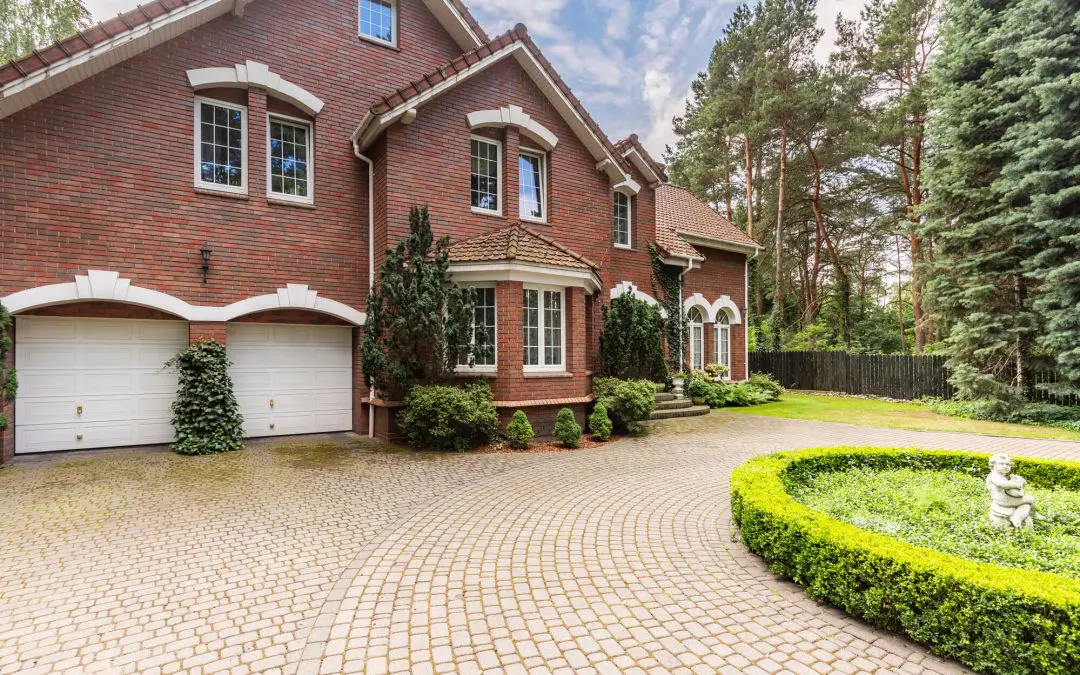
Choosing the right driveway material is a longer-term decision than most homeowners treat it, because the upfront cost of installation is only part of what any material actually costs over its service life. The maintenance it requires, the way it responds to local climate conditions, and the repair options available when damage occurs all factor into the costs over ten, twenty, or thirty years. The homeowners who are happiest with their driveways are those who matched the material to their climate, their maintenance tolerance, and their realistic budget.
Asphalt in Cold and Hot Climates
Asphalt is the driveway material that performs most consistently across a wide range of climates. In cold climates, asphalt’s flexibility is its primary advantage: where concrete cracks under freeze-thaw cycling, asphalt expands and contracts with temperature changes rather than fracturing. Crack filling and periodic sealcoating every three to five years keep an asphalt driveway performing for twenty to thirty years in cold-climate applications. In hot climates, asphalt’s flexibility becomes a liability. Sustained heat could soften asphalt enough that it deforms under vehicle weight, producing tire tracking and surface depression. Lighter-colored sealcoating products that reflect heat address this to a degree, but asphalt in extreme desert heat markets has a shorter effective service life than in temperate or cold climates.
Concrete Driveway Material in Various Conditions
Concrete performs best in hot climates and most consistently in dry ones. Its rigidity makes it dimensionally stable in heat that would soften asphalt. In consistently warm markets with minimal freeze-thaw cycling, a quality concrete installation lasts thirty to fifty years with modest maintenance. In cold climates, concrete driveway material longevity depends heavily on installation quality, specifically the mix design, curing process, and control joint placement. Deicing salts are the other cold-climate concern; sodium chloride and calcium chloride accelerate surface scaling when used repeatedly. Calcium magnesium acetate-based deicers are less damaging and worth the price premium in markets where winter maintenance is a regular requirement.
The Driveway Material Alternatives Worth Considering Beyond Asphalt and Concrete
Permeable pavers are the driveway material gaining traction in markets with stormwater management requirements or in situations where the homeowner values drainage. Individual units, concrete, brick, or natural stone, set over a compacted gravel base allow water to pass between them rather than running off the surface. The individual unit structure also allows for section-specific replacement when damage occurs, which is a meaningful long-term maintenance advantage over both asphalt and concrete. Gravel and crushed stone remain the most cost-effective driveway material option in terms of initial installation, but they require periodic regrading and replenishment as material migrates under vehicle traffic. In wet climates, gravel driveways may develop drainage ruts that require more frequent maintenance attention. In dry climates with flat grades, gravel performs well and lasts indefinitely with periodic topping.
Frequently Asked Questions (FAQs)
How does climate affect which material I should choose?
Cold climates with freeze-thaw cycling favor asphalt for its flexibility. Hot, dry climates favor concrete for its dimensional stability in heat. Wet climates favor permeable materials that manage runoff. Moderate climates have the most flexibility. The climate factor is worth prioritizing over aesthetics.
What is the true long-term cost of each driveway material?
Asphalt has a lower upfront cost but requires sealcoating every three to five years and eventual resurfacing at twenty to thirty years. Concrete costs more upfront but requires less routine maintenance and lasts thirty to fifty years in favorable conditions. Pavers have the highest upfront cost but the lowest long-term repair cost because damaged sections are replaced individually. Gravel has the lowest upfront cost but the highest ongoing maintenance frequency. The lowest long-term cost driveway material depends on climate, traffic load, and the owner’s maintenance tolerance.
Can I change my driveway material when the current surface needs replacement?
Yes, driveway replacement is a common opportunity to change materials. Concrete can often be poured over a prepared base that previously supported asphalt; pavers require a deeper compacted gravel base; gravel simply requires grading and adding new material. A driveway contractor can assess whether the existing base suits the desired new driveway material or whether additional base work is needed.
What driveway material requires the least maintenance?
Concrete requires the least routine maintenance, with no periodic sealing unless decorative finishes are applied. The caveat is that concrete repairs are more visible and harder to blend than asphalt repairs. Pavers are similarly low-maintenance and easier to repair invisibly. Asphalt requires regular sealcoating but is easy and inexpensive to repair when cracks develop. Gravel requires the most frequent ongoing attention of any common driveway material.
How long does each driveway material typically last?
Properly installed and maintained asphalt lasts twenty to thirty years. Concrete in favorable climatic conditions lasts thirty to fifty years. Concrete or brick pavers have an indefinite functional lifespan with individual unit replacement as needed. Gravel lasts indefinitely with periodic replenishment. The actual service life of any driveway material depends significantly on installation quality, climate, traffic load, and maintenance.
Legacy Property Inspections offers comprehensive home inspections in Southeast Georgia. Contact us to request an appointment for our services.