
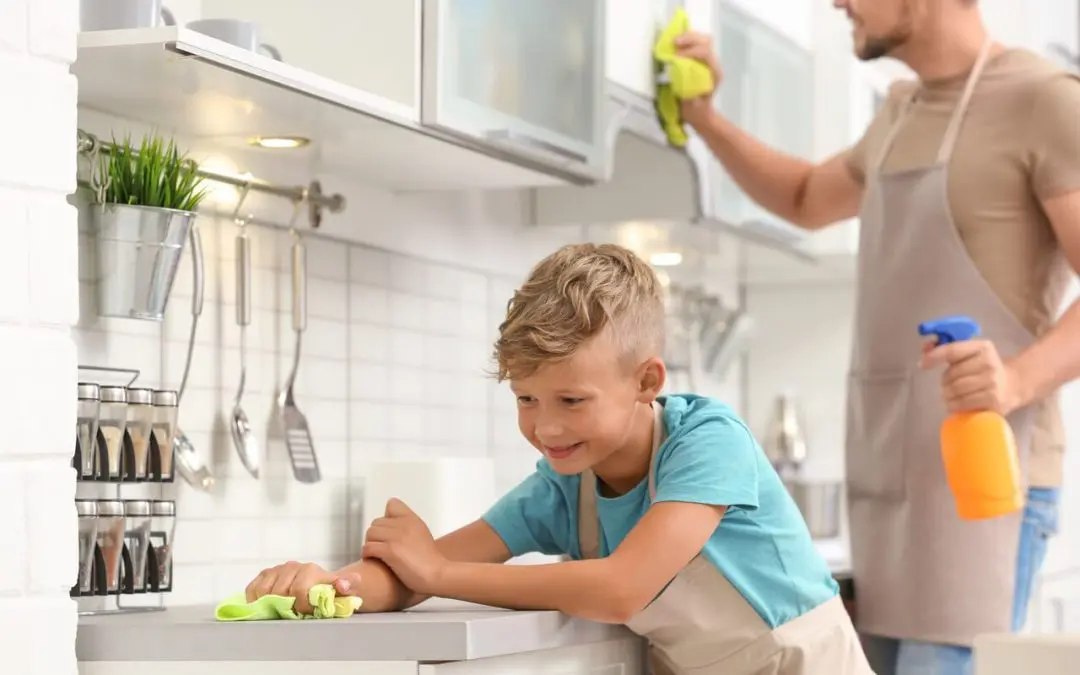
Maintaining a pristine home often feels like an uphill battle when you have a busy family, but shifting your perspective can turn a daily chore into a valuable bonding experience. Learning the art of cleaning with children is about teaching them responsibility, developing motor skills, and instilling the importance of taking pride in their living environment. While it might be tempting to wait until the kids are asleep to tackle the mess, involving them in the process helps them understand that a home is a shared space that requires collective care. By implementing age-appropriate tasks and maintaining a positive, confident attitude, you will transform your household routine into a productive activity that benefits everyone.
The Developmental Benefits of Cleaning with Children
Many parents hesitate to involve their little ones because they fear the task will take twice as long or result in a bigger mess. However, prioritizing cleaning with children offers significant developmental advantages that go far beyond a tidy room. For younger toddlers, sorting laundry or picking up blocks helps refine fine motor skills and introduces basic categorization concepts. As children grow older, being assigned specific household roles fosters a sense of agency and belonging within the family unit. They begin to see themselves as capable contributors rather than just observers. This shift in mindset is crucial for building self-esteem and long-term habits. When children are part of the maintenance process, they are also less likely to create unnecessary messes in the future because they have a firsthand understanding of the effort required to restore order to the home.
Creating Age-Appropriate Tasks for Success
The key to a frustration-free experience is matching the chore to the child’s current abilities. For preschoolers, tasks should be simple, high-impact, and relatively quick to complete. They can use a small hand broom to sweep up crumbs, wiping down baseboards with a damp cloth, or matching socks in a clean laundry pile. School-aged children handle more complex responsibilities such as unloading the dishwasher, feeding pets, or vacuuming high-traffic areas. In this age bracket, it is helpful to provide clear, step-by-step instructions rather than broad commands. Instead of saying “clean the living room,” try asking them to “put all the blue cars in the basket and stack the books on the shelf.” This specificity reduces overwhelm and provides a clear roadmap for success, ensuring the child feels a sense of accomplishment once the specific goal is met.
Making a Game Out of Cleaning with Children
To maintain high morale, you must find ways to inject fun into everyday tasks. Turning a Saturday morning tidy-up into a “speed cleaning” competition or a “scavenger hunt” for stray toys will make a world of difference. Many families find success by setting a timer for ten minutes and seeing how much the “team” can accomplish before the buzzer goes off. Playing upbeat music or creating a special “cleaning playlist” will shift the energy of the room from a chore-heavy atmosphere to a lively family event. When cleaning with children, it is also helpful to use colorful tools designed for smaller hands, such as bright microfiber cloths or kid-sized spray bottles filled with water. The more the experience feels like an engaging activity rather than a punishment, the more likely your children are to volunteer their help in the future without a struggle.
Establishing a Consistent Family Routine
Consistency is the foundation of a manageable home, and establishing a predictable rhythm makes household maintenance feel like a natural part of the day. A “reset” period before dinner or a quick “ten-item tidy” before bed helps prevent clutter from reaching overwhelming levels. When you incorporate cleaning with children into your daily schedule, it removes the element of surprise and reduces resistance. Over time, these actions become second nature, much like brushing teeth or getting dressed. It is also important for homeowners to model the behavior they wish to see. If children observe the adults in the house approaching chores with a calm and confident demeanor, they are more likely to mirror that attitude. Celebrating the completion of a clean home with a small family reward, like a movie night or a trip to the park, reinforces the idea that hard work leads to a more enjoyable and relaxing home for everyone.
Frequently Asked Questions (FAQs)
How can I ensure the cleaning supplies are safe for my kids?
It is best to avoid harsh chemicals and opt for natural solutions, such as diluted white vinegar, baking soda, or castile soap. You could even give younger children a spray bottle filled with plain water and a microfiber cloth; they will feel like they are contributing significantly without any risk of exposure to irritants.
What should I do if my child refuses to help?
Resistance is a common part of the process, especially when children are tired or occupied with play. To encourage participation, try offering choices instead of demands, such as asking, “Would you rather put away the shoes or tidy the pillows?” This gives them a sense of control over the situation.
Is it okay if they don’t do the job perfectly?
Yes, absolutely. When cleaning with children, the goal is process and habit-building, not a magazine-ready result. If a child wipes a table and leaves a few streaks, resist the urge to immediately re-clean it in front of them, as this can discourage their effort. Instead, praise the hard work they put in and perhaps offer a gentle tip for next time.
Legacy Property Inspections offers comprehensive home inspections in Southeast Georgia. Contact us to request an appointment for our services.